

















































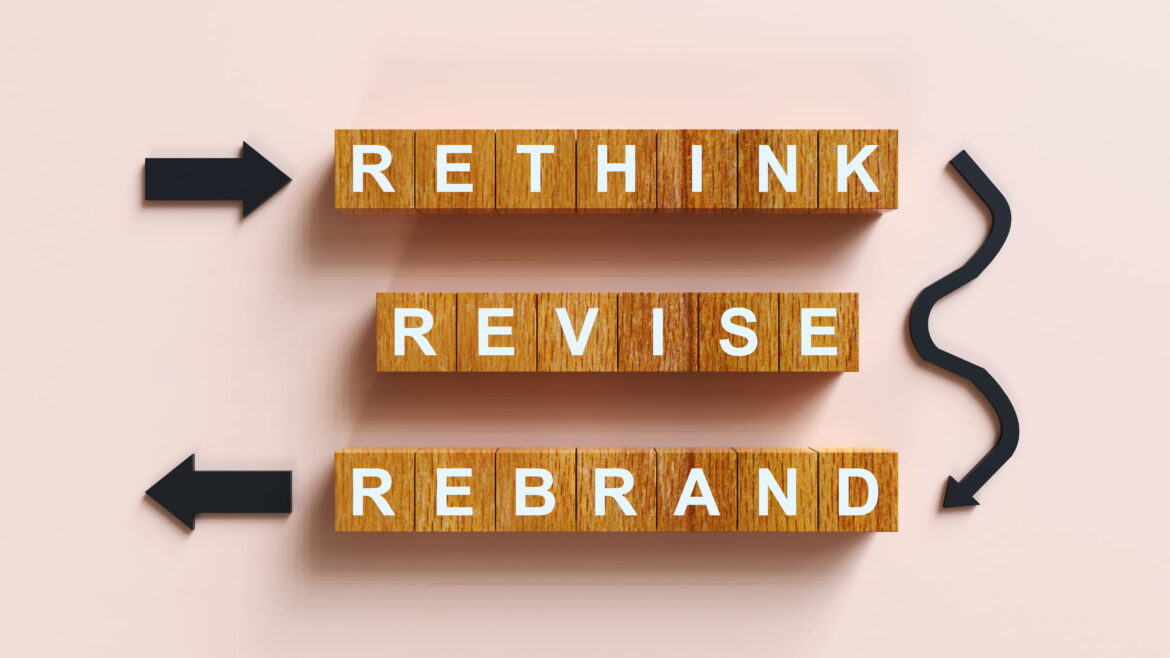
Rebranding is exciting, but it’s not the finish line. It’s the starting point for cultural transformation.
You hired a marketing consultant.
You finally decided on a new name.
You realigned the mission.
You updated the signage.
Now what?
I’ve been in your shoes. After our rebrand in 2020, I asked myself: How do we become the brand? In other words, how do we weave it into our culture so it’s more than a logo? Here’s the truth: it takes time.
That’s not what anyone wants to hear, but it’s reality. Fortunately, there are practical steps you can take to keep your brand alive and make it part of your credit union’s DNA. In this article, I’ll share what worked and what didn’t, for us, so you can adapt these ideas to your own journey.
What worked
Set the tone in everything
Your brand voice must permeate every interaction, not just marketing materials. For us, that meant shifting from a formal tone to a conversational one that reflects our “Explorers” identity.
This started at the top. As CEO, I leaned into a more approachable style, even in small things like out-of-office messages. Here’s an example:
Hello Trailblazer!
I’m out of the office Friday, proudly supporting my daughter at her marching band competition—trading spreadsheets for drumlines and strategy for spirit wear!
I’ll be back on the trail Monday, October 6th, ready to march forward with you.
Thanks for your patience while I soak up some proud parent moments. Go band!
Even our employee events changed. We moved from formal dinners to experiences that fit our brand culture including pumpkin patches, hockey games, and other adventures.
Build talent from within
Culture starts with people. In year three, we launched a leadership development program, but if I could do it again, I’d start sooner.
We implemented career development plans, soft-skill assessments, and regular check-ins for every level of the credit union. This doesn’t have to be outsourced, but alignment is key; choose a program that matches your brand values.
On hiring, we shifted to focus on soft skills using Patrick Lencioni’s Ideal Team Player framework: Humble, Hungry, Smart. These traits helped us elevate interviews and calibrate managers for consistency.
Even job ads reflected the brand. Instead of: “We are currently seeking a Member Services Representative.” We now say: “Chart a course for impact! Join us as a Member Services Representative and guide our members on their financial journey.”
Make the brand visible and accessible
We launched a logo wear store with styles our members actually wear, including flannels, vests, stocking caps, baseball caps, and modern tees. We relaxed the dress code to jeans every day and gave each staff member a $200 annual credit for logo wear. Employees wear it proudly, even on weekends.
Engage in community impact
Our brand centers on community involvement. To reinforce this, we added volunteer time off and created opportunities for staff to participate, such as financial workshops in schools, community celebrations, clean-ups, and more.
Measure what matters
How do you know if your brand is taking root? Two simple metrics:
- Member Net Promoter Score (NPS)
Ask: “How likely are you to recommend us to family and friends?”- 9–10 = Promoter
- 7–8 = Passive
- 0-6 = Detractor
- Employee Net Promoter Score
Ask: “How likely are you to recommend us as a place to work or bank?”
Same scoring scale. Both measure advocacy, internally and externally.
What I wouldn’t do again
What didn’t work? Putting a mission sign in the lobby. Without training, nothing changed. By year five, we introduced formal sales training with a vendor aligned to our values. Today, we have monthly sales training and set sales metrics, which are far more effective.
Additionally, we launched a new product in year three. Looking back, I’d focus on foundational items first, tone, talent, and training, before adding new products.
Recommended timeline
- Year one: Launch, set tone everywhere, encourage logo wear
- Year two: Talent and leadership development, community engagement policies
- Year three: Sales training, refine member interactions
Bottom line
Rebranding isn’t the end of the trail; it’s the trailhead. The more intentional you are, the more your brand will live and breathe through every interaction. Just remember to be patient.