
















































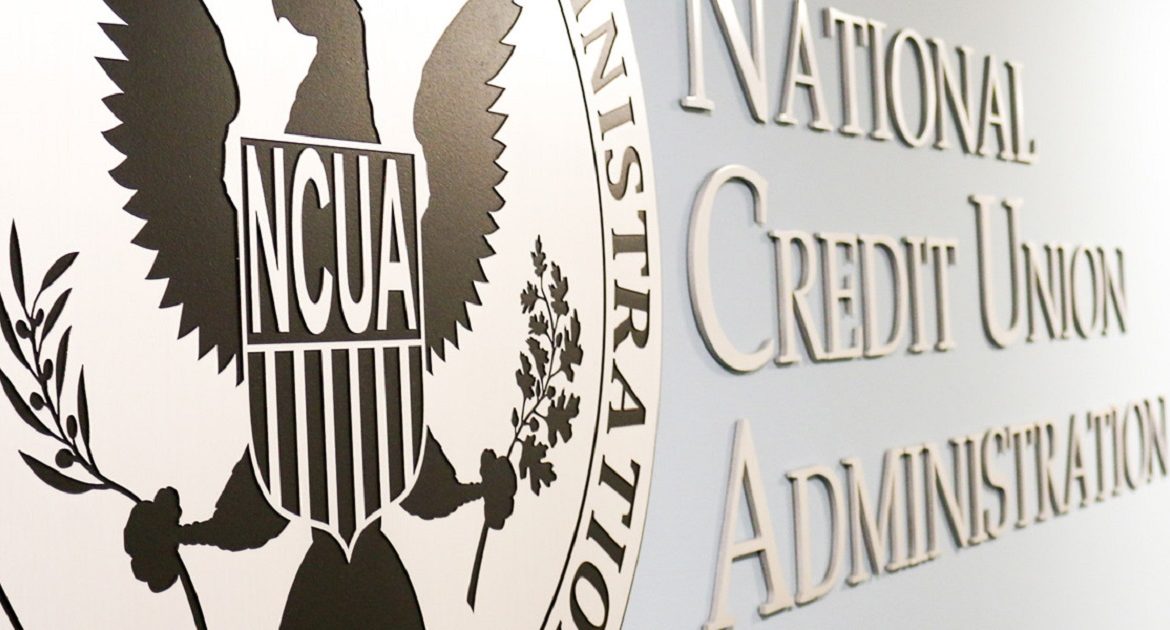
Last week, the National Credit Union Administration announced that it has finalized eleven rules as a direct result of its Deregulation Project. Per the NCUA, this is only the first round of final rules, all of which are aimed at prioritizing NCUA regulations on safety, soundness, and resilience.
“With today’s announcement, we are moving forward on our commitment to removing regulations that are obsolete, burdensome, duplicative, or simply guidance that has no place in regulation,” said NCUA Chairman Kyle Hauptman. “Our goal is to make it easier for credit unions to serve their members, meet compliance requirements, and stay innovative. These final rules and those that come after will give credit unions the flexibility to do just that.”
The finalized rules follow the earlier proposal and comment periods, which were detailed on the NCUA’s Deregulation Project section of their website.
Among the eleven rules are four removing Interpretive Ruling and Policy Statements on a variety of areas—service to underserved areas & chartering requirements—which NCUA has called unnecessarily burdensome as the existing Chartering and Field of Membership Manual addresses the same topics.
The remaining seven rules revise or remove limitations in existing rules aimed at reducing compliance complexity and improve operation flexibility for regulated credit unions. For example, one such rule removes “unnecessarily prescriptive regulation regarding third-party servicing of indirect vehicle loans.” The rule in question set limits on the aggregate amount of indirect loans and participations purchasable from any one servicer. By removing limitations, NCUA hopes credit union boards and management will be best positioned to develop policies that scale indirect lending appropriately and safely.
For more information on all new rules, check out the NCUA’s press release.


